
De klasse van incretine-agonisten is in minder dan tien jaar uitgebreid van selectieve GLP-1-receptoranalogen naar duale en triple agonisten. Drie moleculen domineren het huidige onderzoek: semaglutide (GLP-1), tirzepatide (GLP-1/GIP) en retatrutide (GLP-1/GIP/glucagon). Ze zijn niet onderling uitwisselbaar. Dit overzicht vergelijkt het gepubliceerde onderzoekssignaal op het gebied van receptorprofiel, halfwaardetijd en metabole eindpunten.
Semaglutide: selectieve GLP-1-receptoragonist
Semaglutide is een langwerkend GLP-1-receptoranaloog met een vetzuurzijketen die albuminebinding mogelijk maakt en een plasmahalfwaardetijd van ~7 dagen. Fase 3-gewichtsverliesonderzoek (STEP-programma) rapporteert een lichaamsgewichtsreductie van ongeveer 14,9% na 68 weken bij volwassenen met obesitas (Wilding et al., NEJM 2021). Het blijft de langst gevalideerde referentieverbinding in de klasse.
Tirzepatide: duale GLP-1/GIP-receptoragonist
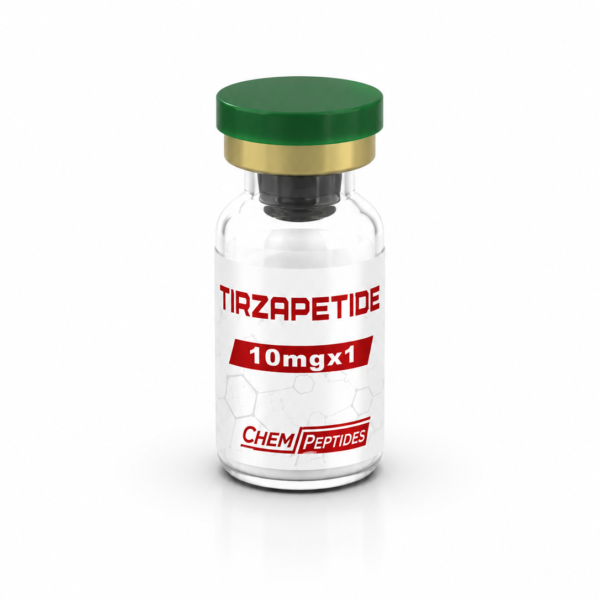
Tirzepatide co-activeert de GLP-1- en GIP-receptoren met een lichte onbalans ten gunste van GIP. De SURMOUNT-1-studie toonde een lichaamsgewichtsreductie van ongeveer 22,5% na 72 weken bij de dosis van 15 mg (Jastreboff et al., NEJM 2022), een toename van ruwweg 7 procentpunten ten opzichte van de sterkste gegevens met een enkele agonist. De halfwaardetijd is ~5 dagen.
Retatrutide: triple GLP-1/GIP/glucagon-receptoragonist
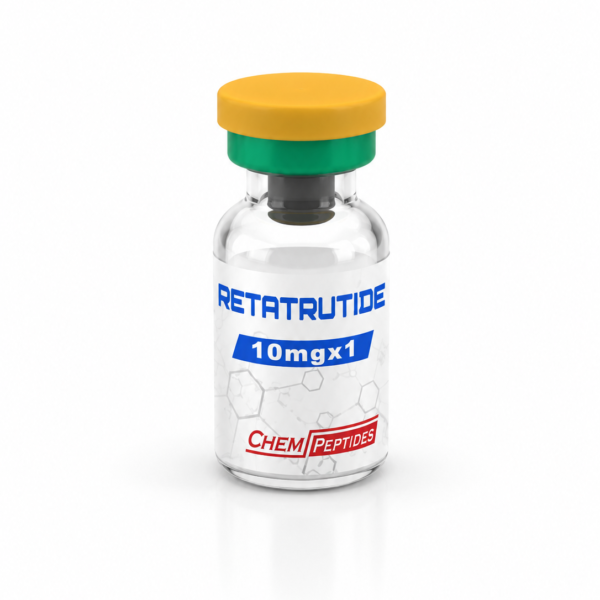
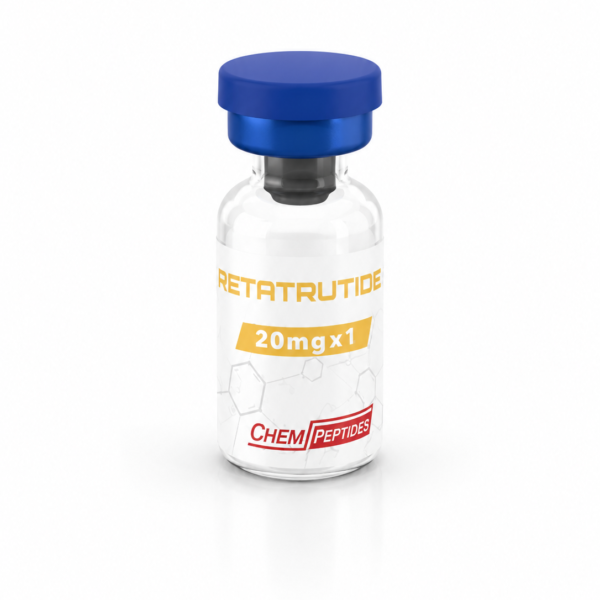
Retatrutide voegt glucagonreceptoractivatie toe aan de GLP-1/GIP-ruggengraat. De fase 2-publicatie (Jastreboff et al., NEJM 2023) rapporteert een lichaamsgewichtsreductie van 24,2% na 48 weken bij de wekelijkse dosis van 12 mg. De glucagon-component lijkt eerder een extra toename van het energieverbruik aan te drijven dan een sterkere eetlustremming. De langetermijnveiligheid wordt nog in fase 3 onderzocht.
Naast elkaar
| Verbinding | Receptoren | Halfwaardetijd | Piekgewichtsverlies (onderzoek) |
|---|---|---|---|
| Semaglutide | GLP-1 | ~7 dagen | ~14,9% na 68 weken |
| Tirzepatide | GLP-1 + GIP | ~5 dagen | ~22,5% na 72 weken |
| Retatrutide | GLP-1 + GIP + glucagon | ~6 dagen | ~24,2% na 48 weken (fase 2) |
Mechanistische implicaties
Elke receptor voegt een aparte fysiologische hefboom toe. GLP-1 drijft glucoseafhankelijke insulinesecretie en centrale eetlustremming aan. GIP versterkt de insulinerespons en kan beschermen tegen door GLP-1 aangedreven misselijkheid via centrale routes. Glucagonreceptoractivatie verhoogt het rustenergieverbruik en de hepatische lipide-oxidatie. De triple agonist werkt daardoor gelijktijdig in op zowel energie-inname als energieafgifte.
Opmerkingen over onderzoekshandling
Alle drie worden gelyofiliseerd geleverd. Reconstitutie in bacteriostatisch water bij 5 tot 10 mg/mL is gangbaar voor stabiliteitsstudies. Koel na reconstitutie en gebruik binnen vier weken voor betrouwbare potentiegegevens. CoA-verificatie is niet onderhandelbaar: deze moleculen vereisen een nauwkeurige HPLC-zuiverheidsbeoordeling en bevestiging via massaspectrometrie vanwege hun lange peptidesequenties en synthesecomplexiteit.
Chempeptides levert alle drie met batchspecifieke CoA, zie de onderzoekscatalogus voor de actuele beschikbaarheid. Alleen voor onderzoeksdoeleinden.
Gerelateerd onderzoek
- Semaglutide vs Tirzepatide vs CagriSema vs Retatrutide: direct vergeleken 2025
- Mounjaro vs Ozempic: Tirzepatide tegenover Semaglutide naast elkaar
- Tirzepatide vs Semaglutide: gids voor cyclusplanning
- GLP-1-agonisten: Tirzepatide tegenover Semaglutide
- Tirzepatide vs Semaglutide voor lichaamssamenstelling: vetverlies vergeleken
Research disclaimer▾
Alle informatie op deze pagina is bedoeld voor laboratoriumonderzoek en in-vitro studies. Geen humane consumptie. Geen medische claims. Producten zijn niet goedgekeurd door EMA of FDA voor therapeutisch gebruik.
Onderzoeksmateriaal bij dit onderwerp
De peptiden die in metabool en vetverlies-onderzoek het meest worden gebruikt:
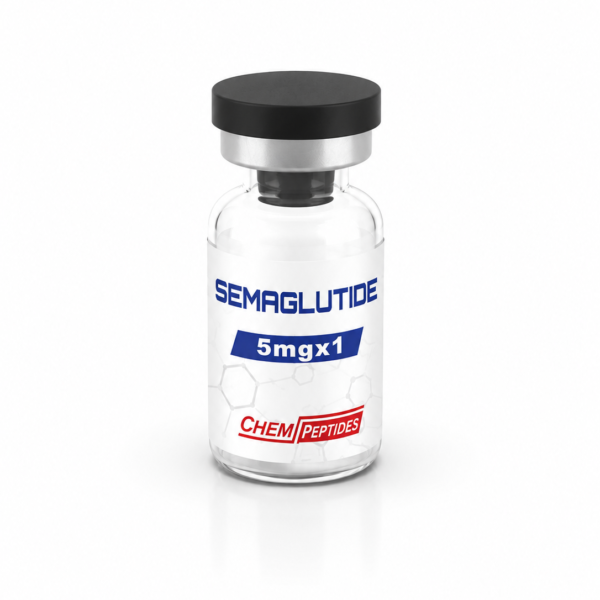
Betalen met iDEAL of Wero. Verzending in discrete verpakking vanuit Nederland. Uitsluitend voor laboratorium- en onderzoeksdoeleinden.