BPC-157 (Body Protection Compound-157) is een synthetisch pentadecapeptide-fragment afgeleid van een sequentie die uit humaan maagsap is geïsoleerd. Ruim dertig jaar preklinische literatuur heeft het gepositioneerd als een van de meest onderzochte “systeembeschermende” peptiden in diermodellen. Deze review brengt de mechanistische lijnen in kaart die telkens terugkeren in het onderzoek en wat er nog omstreden blijft.
Oorsprong en sequentie
BPC-157 bestaat uit vijftien aminozuren: Gly-Glu-Pro-Pro-Pro-Gly-Lys-Pro-Ala-Asp-Asp-Ala-Gly-Leu-Val. Het is een synthetisch stabiel fragment van body protection compound, zonder van nature voorkomende precursor met volledige lengte: het stabiele peptide is wat er wordt onderzocht, niet een natuurlijk endogeen molecuul.
Angiogenese en endotheliale respons
Meerdere knaagdierstudies rapporteren toegenomen capillairvorming en opregulatie van VEGFR2 na toediening van BPC-157 in letselmodellen (Sikiric et al., 2010, 2018). De angiogene respons correleert met snellere perfusieherstel in beschadigd weefsel, een waarschijnlijke stroomopwaartse aanjager van het herhaaldelijk waargenomen wondsluitingsfenotype.
Modulatie van de stikstofmonoxideroute
BPC-157 lijkt het stikstofmonoxidesysteem (NO) in beide richtingen te moduleren, afhankelijk van de uitgangstoestand. Onder NO-deficiënte omstandigheden (L-NAME-behandeling) herstelt het de functie. Onder NO-overschot (L-argininebelasting) dempt het de overshoot. Dit bidirectionele modulatiepatroon wordt herhaaldelijk geciteerd, maar een volledig opgehelderd receptordoelwit ontbreekt.
Pees-, ligament- en spiermodellen
Knaagdierstudies met transectie van de achillespees laten versnelde peesuitgroei en collageenorganisatie zien bij systemisch of lokaal toegediend BPC-157. Modellen met losgemaakte quadricepsspier en verbrijzeld spierletsel tonen een vergelijkbare versnelling van het structurele herstel. Mechanistische kandidaten zijn onder meer vroege FAK-paxilline-signalering en expressie van de groeihormoonreceptor op tenocyten (Chang et al., 2014).
Gastro-intestinaal slijmvlies
De oorspronkelijke therapeutische invalshoek en nog steeds de meest gerepliceerde. BPC-157 beschermt het maagslijmvlies tegen door NSAID’s, alcohol en stress geïnduceerde ulceratie bij knaagdieren, met bijbehorend histologisch bewijs van intact slijmvlies en verminderd ontstekingsinfiltraat.
Opmerkingen over stabiliteit en reconstitutie
BPC-157 is in gelyofiliseerde vorm relatief hittestabiel en lost gemakkelijk op in bacteriostatisch water. Onderzoekers rapporteren consistente resultaten met gereconstitueerd materiaal dat 4 tot 6 weken gekoeld is bewaard. Zie onze oplosmiddelvergelijking voor protocoldetails.
Openstaande vragen
- Geen bevestigde primaire receptor: de meeste signaleringsmodellen zijn stroomafwaarts afgeleid
- Beperkte gepubliceerde humane farmacokinetische gegevens
- Claims over orale biobeschikbaarheid berusten op knaagdierdarmodellen, niet gevalideerd in grotere soorten
- Langetermijnveiligheidsprofiel niet gekarakteriseerd in gepubliceerd humaan onderzoek
BPC-157 blijft een van de meest geciteerde peptiden in de weefselherstelliteratuur en daarom een vast onderdeel van onderzoekscatalogi. Chempeptides levert HPLC-geverifieerde BPC-157 met batchspecifieke CoA, zie de onderzoekscatalogus voor de actuele beschikbaarheid.
Alleen voor onderzoeksdoeleinden. De hierboven samengevatte literatuur is preklinisch tenzij anders vermeld.
Gerelateerd onderzoek
- BPC-157 voor weefselherstel onderzoek: complete gids voor research grade peptide
- TB-500: een literatuurreview over weefselherstelmechanismen
- BPC-157: recente bevindingen bij weefselherstel
- GHK-Cu en BPC-157 bij huid- en weefselherstelonderzoek: een mechanistisch overzicht
- BPC-157 tegenover TB-500: vergelijking van weefselherstelmechanismen
Research disclaimer▾
Alle informatie op deze pagina is bedoeld voor laboratoriumonderzoek en in-vitro studies. Geen humane consumptie. Geen medische claims. Producten zijn niet goedgekeurd door EMA of FDA voor therapeutisch gebruik.
Onderzoeksmateriaal bij dit onderwerp
De peptiden die in weefselherstel-onderzoek het meest worden gebruikt:
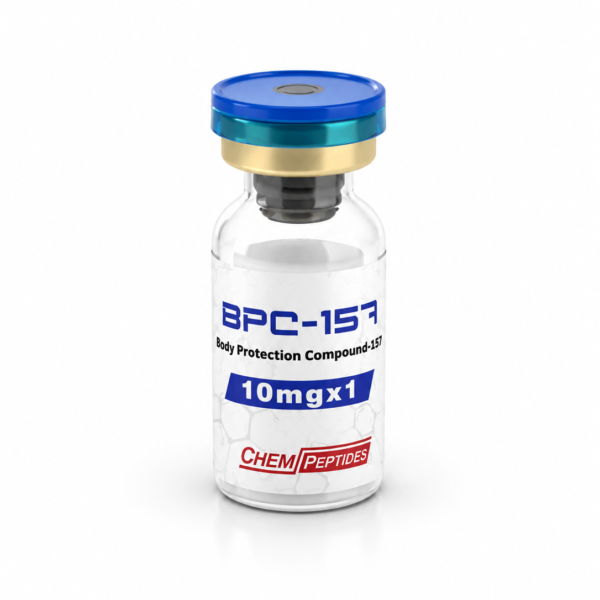 BPC 157 10mg€ 70,00
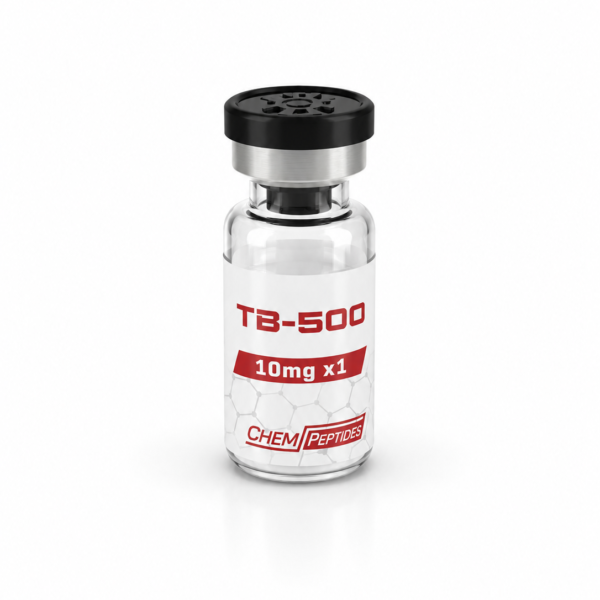 TB500 10mg€ 70,00
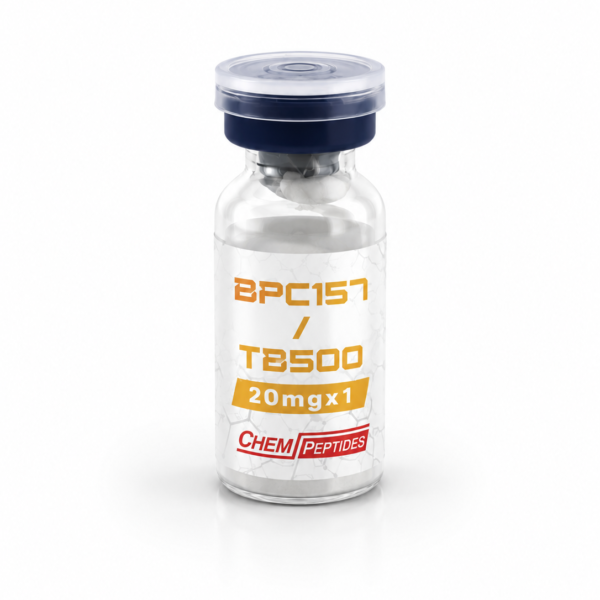 BPC-157 + TB-500 10/10mg€ 100,00
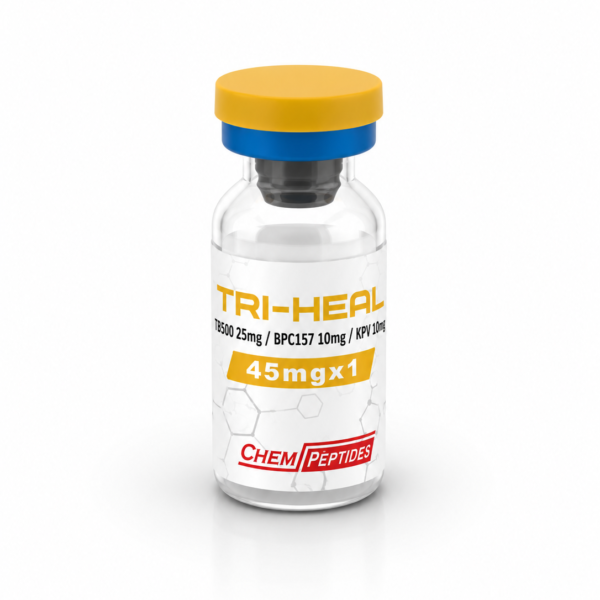 Tri-Heal TB-500 + BPC-157 + KPV 25/10/10mg€ 140,00
Betalen met iDEAL of Wero. Verzending in discrete verpakking vanuit Nederland. Uitsluitend voor laboratorium- en onderzoeksdoeleinden.