Elk research-peptide vertelt twee verhalen. Het eerste is de sequentie op het etiket, de aminozuren die in een vaste volgorde aan elkaar geregen zijn. Het tweede, veel minder zichtbaar, is alles wat naast dat doelmolecuul in de flacon terechtkwam: afgeknotte ketens, deletiesequenties, resterende reagentia, oxidatieproducten en tegenionen. Het verschil tussen die twee verhalen is wat high-performance liquid chromatography (HPLC) meet. En zodra je begrijpt hoe die meting werkt, is ≥99% zuiverheid geen marketingzin meer, maar het enige getal dat ertoe doet wanneer je een reproduceerbaar experiment ontwerpt.
Wat HPLC daadwerkelijk meet
HPLC scheidt de componenten van een monster door ze onder hoge druk door een kolom te duwen die gevuld is met een stationaire fase. Omdat elke verbinding anders met de kolom interacteert, elueert ze op haar eigen retentietijd. Een detector, doorgaans UV bij 214 nm voor peptidebindingen, registreert elke piek zodra deze naar buiten komt. Het oppervlak onder elke piek is evenredig met hoeveel van die verbinding in het monster zat. De “zuiverheid” van een peptide op een chromatogram is het percentage van het totale geïntegreerde piekoppervlak dat bij de doelsequentie hoort.
Reverse-phase HPLC (RP-HPLC) is de standaard voor peptideanalyse. Een C18-kolom met een water/acetonitril-gradiënt en 0,1% trifluorazijnzuur als ionenpaarreagens scheidt de meeste peptideverontreinigingen helder. Het chromatogram wordt de vingerafdruk van de synthese.
Waarom ≥99% niet willekeurig is
De sprong van 95% naar 99% klinkt klein. In de praktijk staat het voor een fundamenteel ander molecuul. Een 95% zuiver peptide draagt 5% verontreinigingen op massabasis: in een flacon van 10 mg is dat 500 µg aan niet-geïdentificeerde species. Die species zijn vrijwel nooit inert. Meestal zijn het nauw verwante structurele analogen van het doelpeptide: deletiesequenties waarin één aminozuur ontbreekt, geoxideerde methioninen, geracemiseerde residuen, scavenger-adducten uit splitsingscocktails. Veel ervan binden dezelfde receptoren als het doelwit, alleen met een gewijzigde affiniteit. Het gevolg verderop is ruis: resultaten die per lot verschillen, dosis-responscurven die verschuiven en assays die niet reproduceerbaar zijn.
Bij ≥99% zuiverheid daalt de verontreinigingspool onder de drempel waar deze een bindingsassay kan domineren of een farmacokinetisch profiel kan vertekenen. Beoordelaars van onderzoeksgegevens, toezichthouders bij preklinische dossiers en analytisch chemici hanteren allemaal met reden dezelfde grens.
Een Certificate of Analysis correct lezen
Een betrouwbaar CoA bevat minimaal: de peptidesequentie, de molecuulformule, het theoretische en waargenomen molecuulgewicht (bevestiging met massaspectrometrie), het HPLC-zuiverheidspercentage met bijgevoegd chromatogram, de gebruikte kolom- en gradiëntmethode, het lotnummer en de analysedatum. Ontbreekt een van deze, dan is het document een marketingbrochure, geen CoA.
Twee waarschuwingssignalen om op te letten:
- Zuiverheid als “groter dan” zonder chromatogram. Een claim van “>98% zuiver” zonder integratie-uitdraai kan 98,1% of 99,9% betekenen, en je hebt geen enkele manier om de ondergrens te verifiëren.
- UV-absorptie als enige controle vermeld. UV alleen vertelt je dat de peptidebinding intact is. Het zegt niets over de getrouwheid van de sequentie. Bevestiging met massaspectrometrie is niet onderhandelbaar.
Zuiverheid, identiteit en wat ze elk bewijzen
Onderzoekers halen de twee soms door elkaar. Identiteit wordt vastgesteld met massaspectrometrie: de waargenomen massa moet binnen de instrumenttolerantie overeenkomen met de berekende massa van de doelsequentie. Zuiverheid wordt vastgesteld met HPLC: het percentage van het totale signaal dat afkomstig is van één piek op de verwachte retentietijd. Een peptide kan 99% zuiver zijn van de verkeerde sequentie. Het kan ook de juiste sequentie zijn bij 80% zuiverheid. Beide maatstaven zijn vereist, en een volledig vrijgaverapport toont ze allebei.
Waar Chempeptides de grens trekt
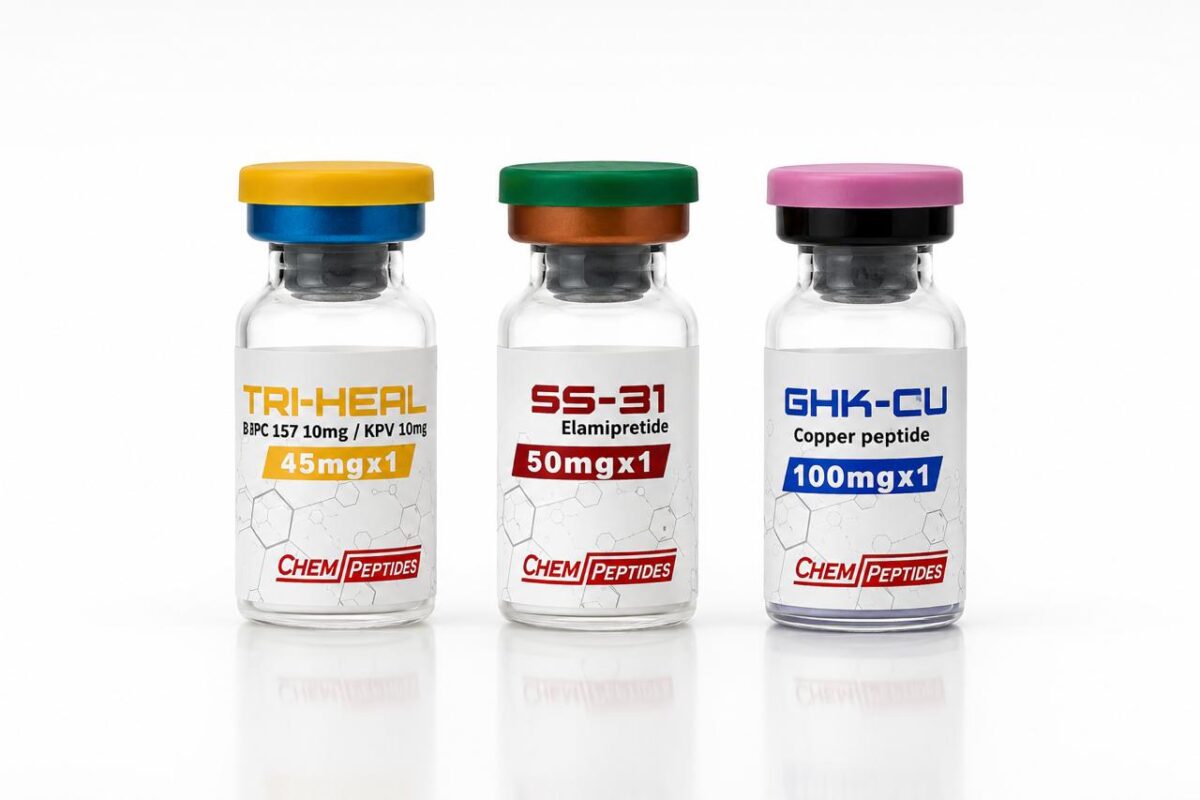
Elk research-peptide dat wij verzenden, is geverifieerd op ≥99% met RP-HPLC, waarbij massaspectrometrie de identiteit bevestigt. Het CoA reist mee met de flacon. Het chromatogram is reproduceerbaar: dezelfde gradiënt, dezelfde retentietijd, dezelfde integratiemethode, bij elk lot. Wanneer je een experiment op een peptide bouwt, hoor je precies te weten wat er in de flacon zit. Dat is de volledige reden dat dit getal bestaat.
Bouw experimenten op data, niet op aannames. Bekijk onze catalogus met research-peptiden: elke verbinding wordt geleverd met HPLC-zuiverheidscertificering, en gekoeld verzenden is mogelijk.
Gerelateerd leesvoer: Peptiden Uitgelegd: De Ultieme Gids · HPLC-verificatie: Waarom ≥99% Ertoe Doet
Gerelateerd onderzoek
- HPLC-verificatie: Waarom ≥99% Ertoe Doet
- HPLC Zuiverheid van 99 Procent: Waarom Het Verschil Maakt Bij Onderzoek-Grade Peptides
- HPLC-zuiverheid ≥99% in Research-Peptiden: Hoe High-Performance Liquid Chromatography de Integriteit van Verbindingen Verifieert
- Hoe HPLC en Massaspectrometrie de Identiteit van Peptiden Verifiëren in een Onderzoekslaboratorium
- Wegovy Bijwerkingen: De Complete Gids op Basis van Klinisch Onderzoek 2026
Research disclaimer▾
Alle informatie op deze pagina is bedoeld voor laboratoriumonderzoek en in-vitro studies. Geen humane consumptie. Geen medische claims. Producten zijn niet goedgekeurd door EMA of FDA voor therapeutisch gebruik.
Research-grade materiaal bij Chempeptides
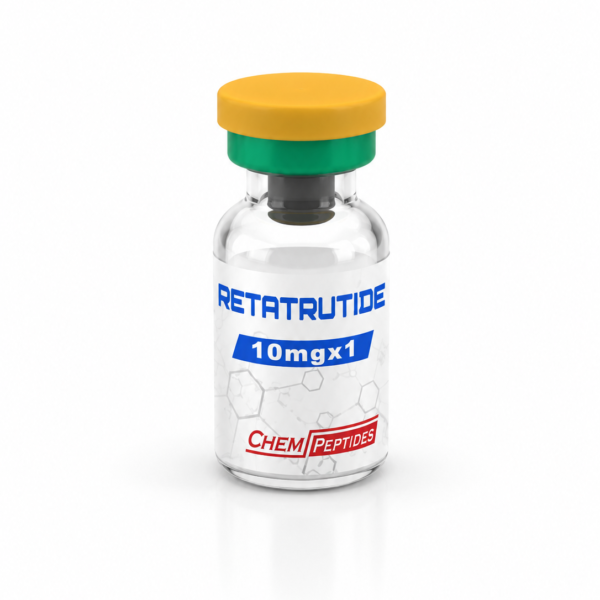
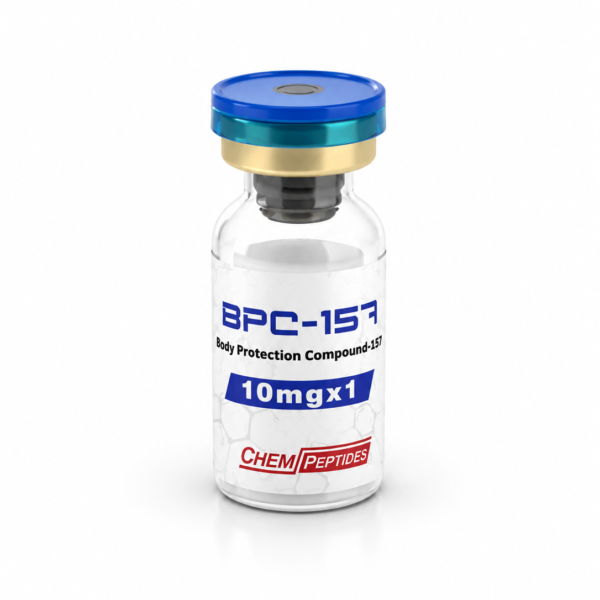
De meest gebruikte research peptiden uit onze catalogus:
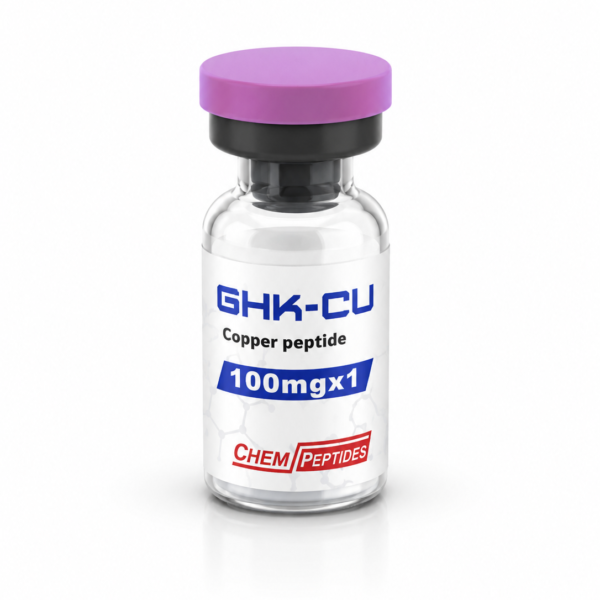
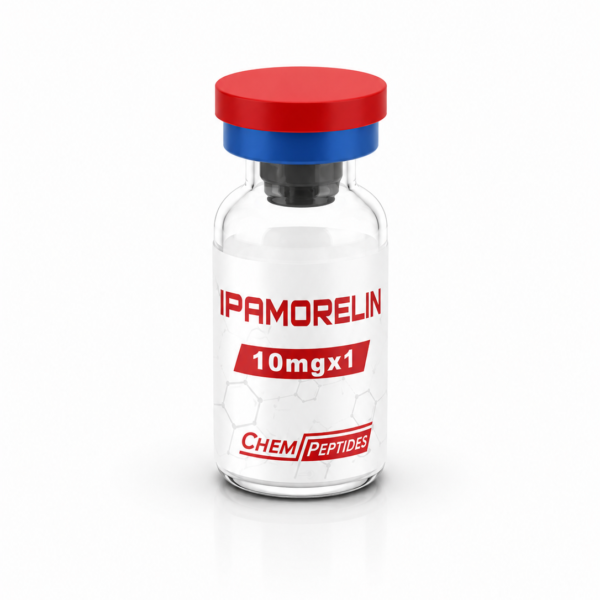
Betalen met iDEAL of Wero. Verzending in discrete verpakking vanuit Nederland. Uitsluitend voor laboratorium- en onderzoeksdoeleinden.